Enterprise AI Security: 5 Critical Strategies for Building Responsible AI Solutions
2026-03-17
Introduction
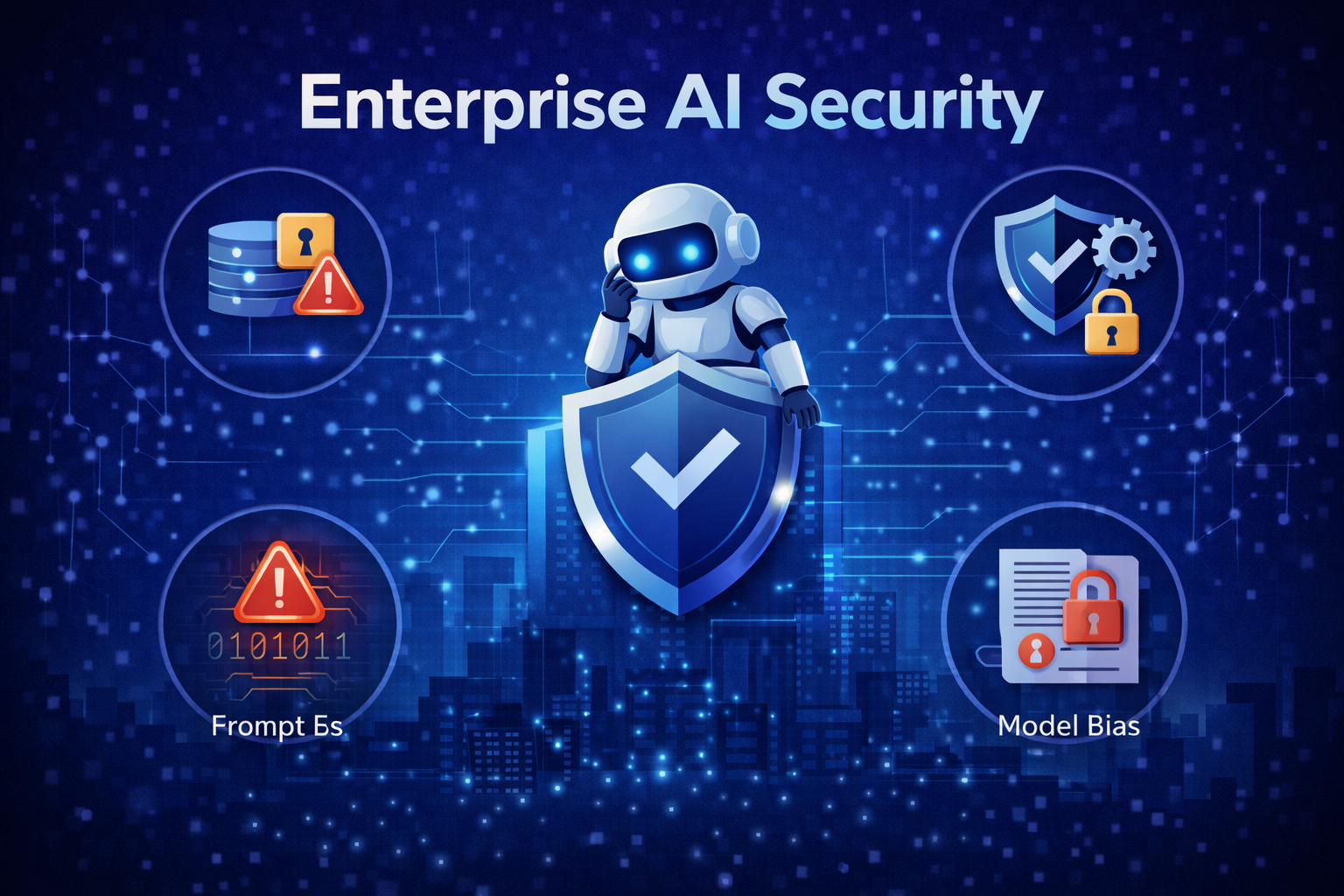
As enterprises rapidly integrate AI into core business operations, enterprise AI security has become a non-negotiable priority. From customer data processing to decision automation, AI systems are deeply embedded in sensitive workflows. However, with this adoption comes increased exposure to risks such as data leakage, adversarial attacks, model manipulation, and regulatory non-compliance.
Organizations that fail to implement robust AI security strategies risk not only financial loss but also reputational damage and legal consequences. This is where responsible AI solutions come into play—ensuring AI systems are secure, ethical, and trustworthy from design to deployment.
What is Enterprise AI Security?
Enterprise AI security refers to the frameworks, technologies, and practices used to protect AI systems, data pipelines, and models from threats and vulnerabilities. It extends beyond traditional cybersecurity by addressing AI-specific risks such as:
- Model inversion and data extraction attacks
- Training data poisoning
- Unauthorized model access
- Bias and ethical misuse
In essence, enterprise AI security ensures that AI systems operate safely, reliably, and in compliance with industry standards.
Why Responsible AI Solutions Matter
Responsible AI solutions are built on principles of fairness, transparency, accountability, and security. Without strong security foundations, AI systems can:
- Expose sensitive enterprise data
- Produce biased or harmful outputs
- Violate compliance regulations (like GDPR or India DPDP Act)
- Lose stakeholder trust
By aligning AI security strategies with responsible AI principles, organizations can build systems that are both powerful and trustworthy.
5 Critical AI Security Strategies for Enterprises
1. Data Protection and Privacy Controls
Data is the backbone of AI systems, making it a primary target for attacks. Enterprises must implement strong data protection mechanisms such as:
- End-to-end encryption
- Data anonymization and tokenization
- Secure data storage and access policies
For example, AI models trained on customer data should ensure personally identifiable information (PII) is masked or tokenized to prevent exposure.
Key Benefit: Minimizes risk of data breaches and ensures compliance with privacy laws.
2. Model Security and Adversarial Defense
AI models themselves can be attacked through adversarial inputs or reverse engineering. Robust AI security strategies should include:
- Adversarial testing and robustness checks
- Model encryption and secure APIs
- Protection against model extraction attacks
For instance, attackers can manipulate inputs to trick AI models into making incorrect decisions—critical in sectors like finance or healthcare.
Key Benefit: Ensures integrity and reliability of AI outputs.
3. Access Control and Identity Management
Unauthorized access to AI systems can lead to data leaks or misuse. Enterprises should enforce:
- Role-based access control (RBAC)
- Multi-factor authentication (MFA)
- Zero Trust security models
Limiting access to only authorized personnel ensures that sensitive AI models and datasets remain protected.
Key Benefit: Prevents insider threats and unauthorized usage.
4. Continuous Monitoring and Threat Detection
AI systems are dynamic and require ongoing monitoring to detect anomalies. Effective strategies include:
- Real-time monitoring of model behavior
- AI-driven threat detection systems
- Logging and audit trails
For example, sudden changes in model output patterns could indicate a security breach or data drift.
Key Benefit: Enables proactive threat identification and rapid response.
5. Governance, Compliance, and Responsible AI Frameworks
Strong governance is essential for implementing responsible AI solutions. Enterprises should:
- Establish AI governance policies
- Conduct regular compliance audits
- Align with global standards (e.g., ISO, NIST AI frameworks)
A well-defined governance framework ensures accountability and ethical AI usage across the organization.
Key Benefit: Builds trust and ensures regulatory compliance.
Common Enterprise AI Security Challenges
Despite best efforts, organizations often face challenges such as:
- Lack of AI-specific security expertise
- Rapidly evolving threat landscape
- Integration issues with legacy systems
- Balancing innovation with compliance
Addressing these challenges requires a strategic and long-term approach to enterprise AI security.
Best Practices for Implementing AI Security Strategies
To successfully deploy AI security strategies, enterprises should:
- Adopt a security-by-design approach
- Regularly test AI systems for vulnerabilities
- Train teams on AI security and ethics
- Use secure AI platforms and infrastructure
- Continuously update and patch AI models
Combining these practices with responsible AI solutions ensures a holistic security posture.
Conclusion
As AI continues to transform industries, enterprise AI security must be at the forefront of every organization’s strategy. By implementing these five critical AI security strategies, businesses can safeguard their systems, protect sensitive data, and build trustworthy AI applications.
Investing in responsible AI solutions is not just about compliance—it’s about creating sustainable, secure, and ethical AI systems that drive long-term value.
Stop guessing.
Start measuring.
Join teams building reliable AI with TruEval. Start with a free trial, no credit card required. Get your first evaluation running in under 10 minutes.
Questions about Trusys?
Our team is here to help. Schedule a personalized demo to see how Trusys fits your specific use case.
Book a Demo

Ready to dive in?
Check out our documentation and tutorials. Get started with example datasets and evaluation templates.
Start Free Trial
Free Trial
No credit card required
10 Min
To first evaluation
24/7
Enterprise support


Benefits
Specifications
How-to
Contact Us
Learn More

Enterprise AI Security: 5 Critical Strategies for Building Responsible AI Solutions
2026-03-17
Introduction
As enterprises rapidly integrate AI into core business operations, enterprise AI security has become a non-negotiable priority. From customer data processing to decision automation, AI systems are deeply embedded in sensitive workflows. However, with this adoption comes increased exposure to risks such as data leakage, adversarial attacks, model manipulation, and regulatory non-compliance.
Organizations that fail to implement robust AI security strategies risk not only financial loss but also reputational damage and legal consequences. This is where responsible AI solutions come into play—ensuring AI systems are secure, ethical, and trustworthy from design to deployment.
What is Enterprise AI Security?
Enterprise AI security refers to the frameworks, technologies, and practices used to protect AI systems, data pipelines, and models from threats and vulnerabilities. It extends beyond traditional cybersecurity by addressing AI-specific risks such as:
- Model inversion and data extraction attacks
- Training data poisoning
- Unauthorized model access
- Bias and ethical misuse
In essence, enterprise AI security ensures that AI systems operate safely, reliably, and in compliance with industry standards.
Why Responsible AI Solutions Matter
Responsible AI solutions are built on principles of fairness, transparency, accountability, and security. Without strong security foundations, AI systems can:
- Expose sensitive enterprise data
- Produce biased or harmful outputs
- Violate compliance regulations (like GDPR or India DPDP Act)
- Lose stakeholder trust
By aligning AI security strategies with responsible AI principles, organizations can build systems that are both powerful and trustworthy.
5 Critical AI Security Strategies for Enterprises
1. Data Protection and Privacy Controls
Data is the backbone of AI systems, making it a primary target for attacks. Enterprises must implement strong data protection mechanisms such as:
- End-to-end encryption
- Data anonymization and tokenization
- Secure data storage and access policies
For example, AI models trained on customer data should ensure personally identifiable information (PII) is masked or tokenized to prevent exposure.
Key Benefit: Minimizes risk of data breaches and ensures compliance with privacy laws.
2. Model Security and Adversarial Defense
AI models themselves can be attacked through adversarial inputs or reverse engineering. Robust AI security strategies should include:
- Adversarial testing and robustness checks
- Model encryption and secure APIs
- Protection against model extraction attacks
For instance, attackers can manipulate inputs to trick AI models into making incorrect decisions—critical in sectors like finance or healthcare.
Key Benefit: Ensures integrity and reliability of AI outputs.
3. Access Control and Identity Management
Unauthorized access to AI systems can lead to data leaks or misuse. Enterprises should enforce:
- Role-based access control (RBAC)
- Multi-factor authentication (MFA)
- Zero Trust security models
Limiting access to only authorized personnel ensures that sensitive AI models and datasets remain protected.
Key Benefit: Prevents insider threats and unauthorized usage.
4. Continuous Monitoring and Threat Detection
AI systems are dynamic and require ongoing monitoring to detect anomalies. Effective strategies include:
- Real-time monitoring of model behavior
- AI-driven threat detection systems
- Logging and audit trails
For example, sudden changes in model output patterns could indicate a security breach or data drift.
Key Benefit: Enables proactive threat identification and rapid response.
5. Governance, Compliance, and Responsible AI Frameworks
Strong governance is essential for implementing responsible AI solutions. Enterprises should:
- Establish AI governance policies
- Conduct regular compliance audits
- Align with global standards (e.g., ISO, NIST AI frameworks)
A well-defined governance framework ensures accountability and ethical AI usage across the organization.
Key Benefit: Builds trust and ensures regulatory compliance.
Common Enterprise AI Security Challenges
Despite best efforts, organizations often face challenges such as:
- Lack of AI-specific security expertise
- Rapidly evolving threat landscape
- Integration issues with legacy systems
- Balancing innovation with compliance
Addressing these challenges requires a strategic and long-term approach to enterprise AI security.
Best Practices for Implementing AI Security Strategies
To successfully deploy AI security strategies, enterprises should:
- Adopt a security-by-design approach
- Regularly test AI systems for vulnerabilities
- Train teams on AI security and ethics
- Use secure AI platforms and infrastructure
- Continuously update and patch AI models
Combining these practices with responsible AI solutions ensures a holistic security posture.
Conclusion
As AI continues to transform industries, enterprise AI security must be at the forefront of every organization’s strategy. By implementing these five critical AI security strategies, businesses can safeguard their systems, protect sensitive data, and build trustworthy AI applications.
Investing in responsible AI solutions is not just about compliance—it’s about creating sustainable, secure, and ethical AI systems that drive long-term value.
Stop guessing.
Start measuring.
Join teams building reliable AI with TruEval. Start with a free trial, no credit card required. Get your first evaluation running in under 10 minutes.
Questions about Trusys?
Our team is here to help. Schedule a personalized demo to see how Trusys fits your specific use case.
Book a Demo
Ready to dive in?
Check out our documentation and tutorials. Get started with example datasets and evaluation templates.
Start Free Trial
Free Trial
No credit card required
10 Min
To first evaluation
24/7
Enterprise support
Enterprise AI Security: 5 Critical Strategies for Building Responsible AI Solutions
2026-03-17
Introduction
As enterprises rapidly integrate AI into core business operations, enterprise AI security has become a non-negotiable priority. From customer data processing to decision automation, AI systems are deeply embedded in sensitive workflows. However, with this adoption comes increased exposure to risks such as data leakage, adversarial attacks, model manipulation, and regulatory non-compliance.
Organizations that fail to implement robust AI security strategies risk not only financial loss but also reputational damage and legal consequences. This is where responsible AI solutions come into play—ensuring AI systems are secure, ethical, and trustworthy from design to deployment.
What is Enterprise AI Security?
Enterprise AI security refers to the frameworks, technologies, and practices used to protect AI systems, data pipelines, and models from threats and vulnerabilities. It extends beyond traditional cybersecurity by addressing AI-specific risks such as:
- Model inversion and data extraction attacks
- Training data poisoning
- Unauthorized model access
- Bias and ethical misuse
In essence, enterprise AI security ensures that AI systems operate safely, reliably, and in compliance with industry standards.
Why Responsible AI Solutions Matter
Responsible AI solutions are built on principles of fairness, transparency, accountability, and security. Without strong security foundations, AI systems can:
- Expose sensitive enterprise data
- Produce biased or harmful outputs
- Violate compliance regulations (like GDPR or India DPDP Act)
- Lose stakeholder trust
By aligning AI security strategies with responsible AI principles, organizations can build systems that are both powerful and trustworthy.
5 Critical AI Security Strategies for Enterprises
1. Data Protection and Privacy Controls
Data is the backbone of AI systems, making it a primary target for attacks. Enterprises must implement strong data protection mechanisms such as:
- End-to-end encryption
- Data anonymization and tokenization
- Secure data storage and access policies
For example, AI models trained on customer data should ensure personally identifiable information (PII) is masked or tokenized to prevent exposure.
Key Benefit: Minimizes risk of data breaches and ensures compliance with privacy laws.
2. Model Security and Adversarial Defense
AI models themselves can be attacked through adversarial inputs or reverse engineering. Robust AI security strategies should include:
- Adversarial testing and robustness checks
- Model encryption and secure APIs
- Protection against model extraction attacks
For instance, attackers can manipulate inputs to trick AI models into making incorrect decisions—critical in sectors like finance or healthcare.
Key Benefit: Ensures integrity and reliability of AI outputs.
3. Access Control and Identity Management
Unauthorized access to AI systems can lead to data leaks or misuse. Enterprises should enforce:
- Role-based access control (RBAC)
- Multi-factor authentication (MFA)
- Zero Trust security models
Limiting access to only authorized personnel ensures that sensitive AI models and datasets remain protected.
Key Benefit: Prevents insider threats and unauthorized usage.
4. Continuous Monitoring and Threat Detection
AI systems are dynamic and require ongoing monitoring to detect anomalies. Effective strategies include:
- Real-time monitoring of model behavior
- AI-driven threat detection systems
- Logging and audit trails
For example, sudden changes in model output patterns could indicate a security breach or data drift.
Key Benefit: Enables proactive threat identification and rapid response.
5. Governance, Compliance, and Responsible AI Frameworks
Strong governance is essential for implementing responsible AI solutions. Enterprises should:
- Establish AI governance policies
- Conduct regular compliance audits
- Align with global standards (e.g., ISO, NIST AI frameworks)
A well-defined governance framework ensures accountability and ethical AI usage across the organization.
Key Benefit: Builds trust and ensures regulatory compliance.
Common Enterprise AI Security Challenges
Despite best efforts, organizations often face challenges such as:
- Lack of AI-specific security expertise
- Rapidly evolving threat landscape
- Integration issues with legacy systems
- Balancing innovation with compliance
Addressing these challenges requires a strategic and long-term approach to enterprise AI security.
Best Practices for Implementing AI Security Strategies
To successfully deploy AI security strategies, enterprises should:
- Adopt a security-by-design approach
- Regularly test AI systems for vulnerabilities
- Train teams on AI security and ethics
- Use secure AI platforms and infrastructure
- Continuously update and patch AI models
Combining these practices with responsible AI solutions ensures a holistic security posture.
Conclusion
As AI continues to transform industries, enterprise AI security must be at the forefront of every organization’s strategy. By implementing these five critical AI security strategies, businesses can safeguard their systems, protect sensitive data, and build trustworthy AI applications.
Investing in responsible AI solutions is not just about compliance—it’s about creating sustainable, secure, and ethical AI systems that drive long-term value.
Stop guessing.
Start measuring.
Join teams building reliable AI with Trusys. Start with a free trial, no credit card required. Get your first evaluation running in under 10 minutes.
Questions about Trusys?
Our team is here to help. Schedule a personalized demo to see how Trusys fits your specific use case.
Book a Demo

Ready to dive in?
Check out our documentation and tutorials. Get started with example datasets and evaluation templates.
Start Free Trial
Free Trial
No credit card required
10 Min
to get started
24/7
Enterprise support